Have you ever noticed that some people seem to handle stress, setbacks, and challenges better than others?
It's not that they have fewer problems. It's not that life is easier for them.
Often, it's because of the mindset they bring into those situations.
For years, I thought mindset was mostly about attitude. It was about being positive, staying optimistic, and looking on the bright side. While those things certainly help, I've come to believe mindset goes much deeper than that.
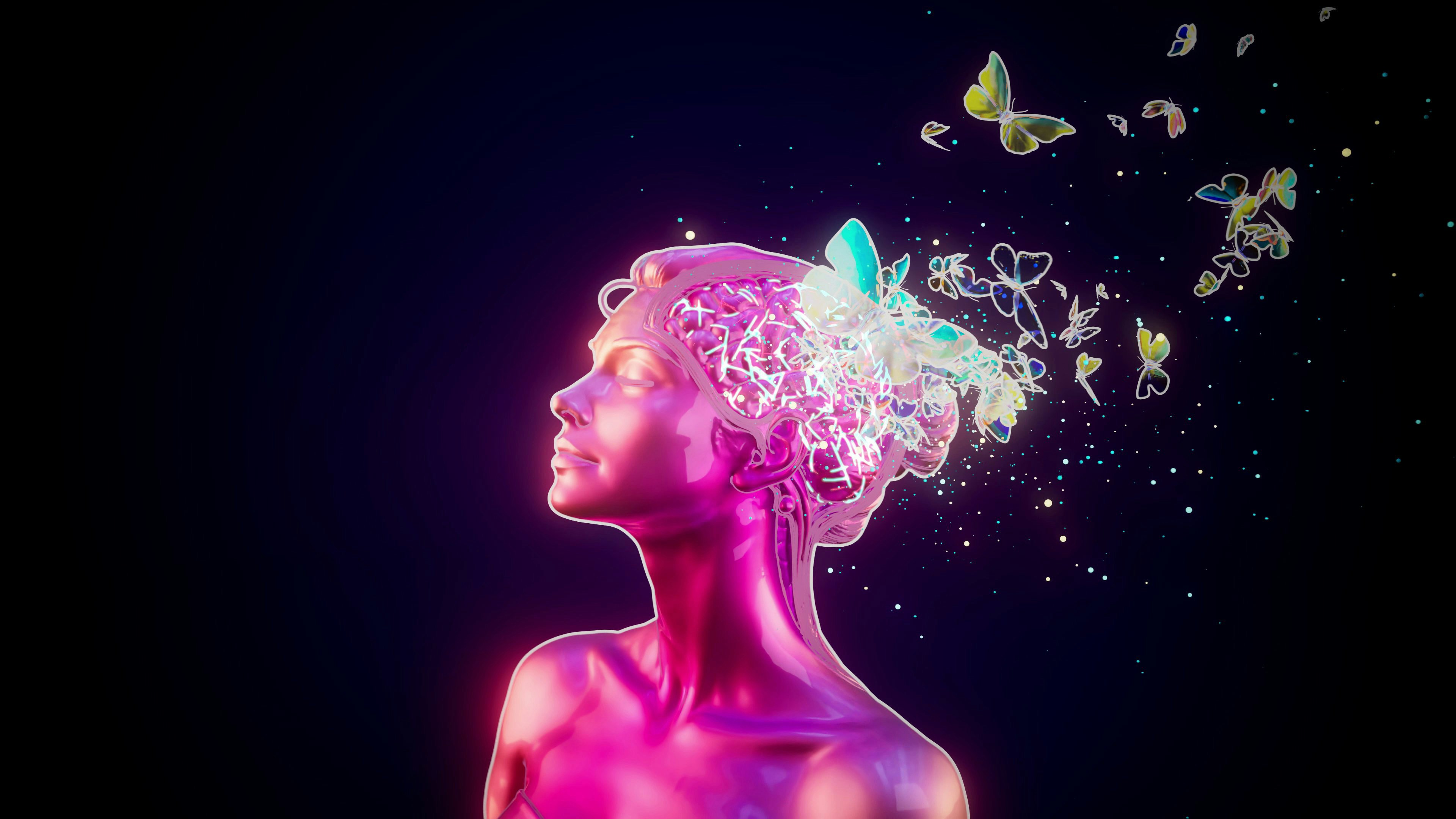
Your mindset is the lens through which you experience life. It influences how your body responds to stress, how well you sleep, how much energy you have, and even how effectively your immune system functions.
In other words, your mindset doesn't just affect how you feel. It affects your health.
When we live in a constant state of worry, frustration, negativity, or overwhelm, our bodies feel it. Stress hormones stay elevated. Sleep suffers. Recovery slows down. Energy levels drop. Over time, those effects compound.
I think we've all experienced this. A tough week at work turns into a month of poor sleep. A difficult situation consumes our thoughts long after the day is over. We become exhausted, short-tempered, and drained without fully understanding why.
The opposite is true as well.
A positive mindset doesn't eliminate challenges, but it changes how we experience them. Instead of viewing every obstacle as a threat, we begin to see opportunities to learn, grow, and adapt. We recover faster. We sleep better. We carry less emotional weight from one day to the next.
Research continues to show a connection between positive thinking, lower stress levels, better cardiovascular health, stronger immune function, and greater resilience. While mindset isn't a cure-all, it can help create the conditions for better physical and emotional well-being.
One of the biggest lessons I've learned is that mindset isn't something you're born with. It's something you build.
Just like physical fitness requires regular exercise, mental fitness requires regular practice. Gratitude. Reflection. Prayer. Encouragement. Meaningful relationships. Taking time to breathe and reset during stressful moments. These small habits help train our minds to focus on what is possible rather than what is wrong.
I've learned that when my mindset starts to drift, my energy usually follows. I become less patient, less focused, and less effective. That's why I've started paying attention to my energy and attitude before they become larger problems.
A simple pause can make a difference.
Take a moment to ask yourself:
"Where is my mindset today?"
Not where you want it to be.
Not where you think it should be.
Where is it right now?
Because the mindset you carry today may be influencing your health, energy, and relationships more than you realize.
Something to Think About This Weekend
Your body listens to what your mind tells it.
If you're constantly feeding your mind fear, frustration, and negativity, your body eventually pays the price.
But if you intentionally cultivate gratitude, hope, and positive energy, your body benefits too.
You may not be able to control every circumstance you face, but you can influence the mindset you bring into those circumstances.
And that mindset might be one of the most important investments you make in your health.